

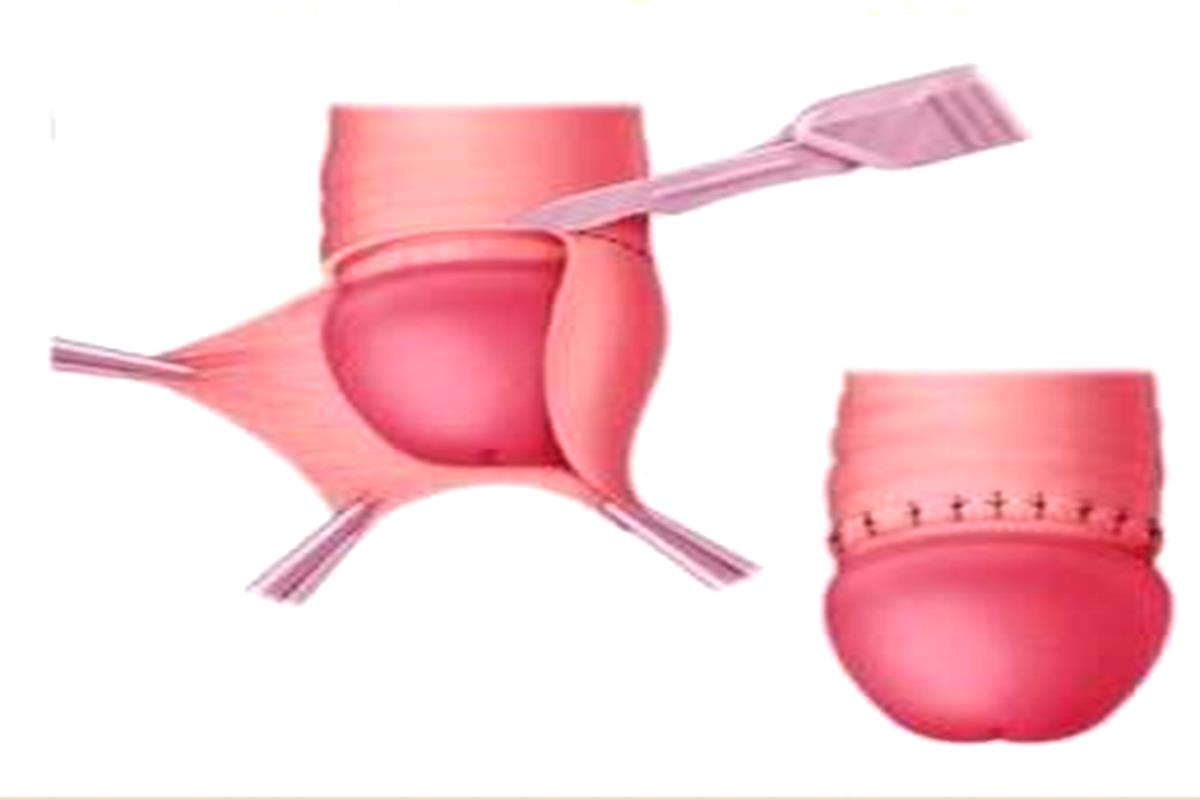
Tight Foreskin (Phimosis)
Tight foreskin, medically called phimosis, is a condition where the foreskin cannot be fully retracted over the glans (head) of the penis.It can be a normal finding in young children or a pathological condition in adolescents and adults.
What causes tight foreskin?
- Physiological non-retractability in young children
- Poor genital hygiene leading to inflammation
- Repeated infections of the foreskin or glans
- Scarring due to forceful retraction in childhood
- Diabetes causing recurrent infections
- Chronic skin conditions such as balanitis xerotica obliterans
- Previous injury or inflammation of the foreskin
What symptoms are associated with tight foreskin?
- Inability to retract the foreskin
- Pain or discomfort during erections
- Difficulty maintaining hygiene
- Recurrent redness, swelling, or discharge
- Pain or difficulty during urination in severe cases
- Recurrent infections of the foreskin or glans
- Sexual discomfort in adults
When is medical help required?
Medical consultation is advised if foreskin tightness persists beyond childhood, if infections recur, if pain occurs during erection or urination, or if hygiene becomes difficult despite regular care.
What treatment options are available for tight foreskin?
Non-surgical treatment
- Topical steroid creams to improve foreskin elasticity
- Gentle foreskin stretching exercises under guidance
- Treatment of underlying infections
- Good genital hygiene practices
Useful mainly for mild to moderate cases
Surgical treatment (definitive treatment)
Why is surgery recommended for tight foreskin?
- Failure of medical treatment
- Severe tightness causing pain or obstruction
- Recurrent infections affecting quality of life
- Scarring of foreskin tissue
- Sexual or urinary difficulty due to phimosis
What happens if tight foreskin is not treated?
- Repeated infections and inflammation
- Difficulty maintaining hygiene
- Painful erections and sexual dysfunction
- Risk of paraphimosis
- Increased risk of urinary tract infections
How is surgery for tight foreskin performed?
- Surgery is performed under local or regional anaesthesia
- Procedure choice depends on severity and patient preference
- No external scars beyond the foreskin area
- Day-care procedure in most cases
What surgical procedures are used for tight foreskin?
- Circumcision involves complete removal of the foreskin
- Partial circumcision removes only the tight portion
- Preputioplasty widens the foreskin while preserving it
- Laser-assisted procedures offer precision and minimal bleeding
Choice depends on age, severity, and cosmetic preference
What are the benefits of surgical treatment?
- Permanent resolution of foreskin tightness
- Improved hygiene
- Elimination of recurrent infections
- Pain-free erections
- Improved sexual comfort and confidence
What are the possible limitations and risks?
- Temporary swelling or discomfort
- Mild bleeding during early recovery
- Rare risk of infection
- Healing time varies depending on procedure
How does recovery and after care progress?
- Most patients are discharged the same day
- Mild pain or swelling may occur for a few days
- Normal daily activities can usually resume within 3–5 days
- Sexual activity should be avoided for 3–4 weeks
- Proper hygiene aids faster healing
- Follow-up ensures normal healing and function