

Liposuction
Liposuction is a cosmetic surgical procedure used to remove stubborn pockets of fat that do not respond to diet and exercise.It helps improve body contours and proportions but is not a treatment for obesity or weight loss.
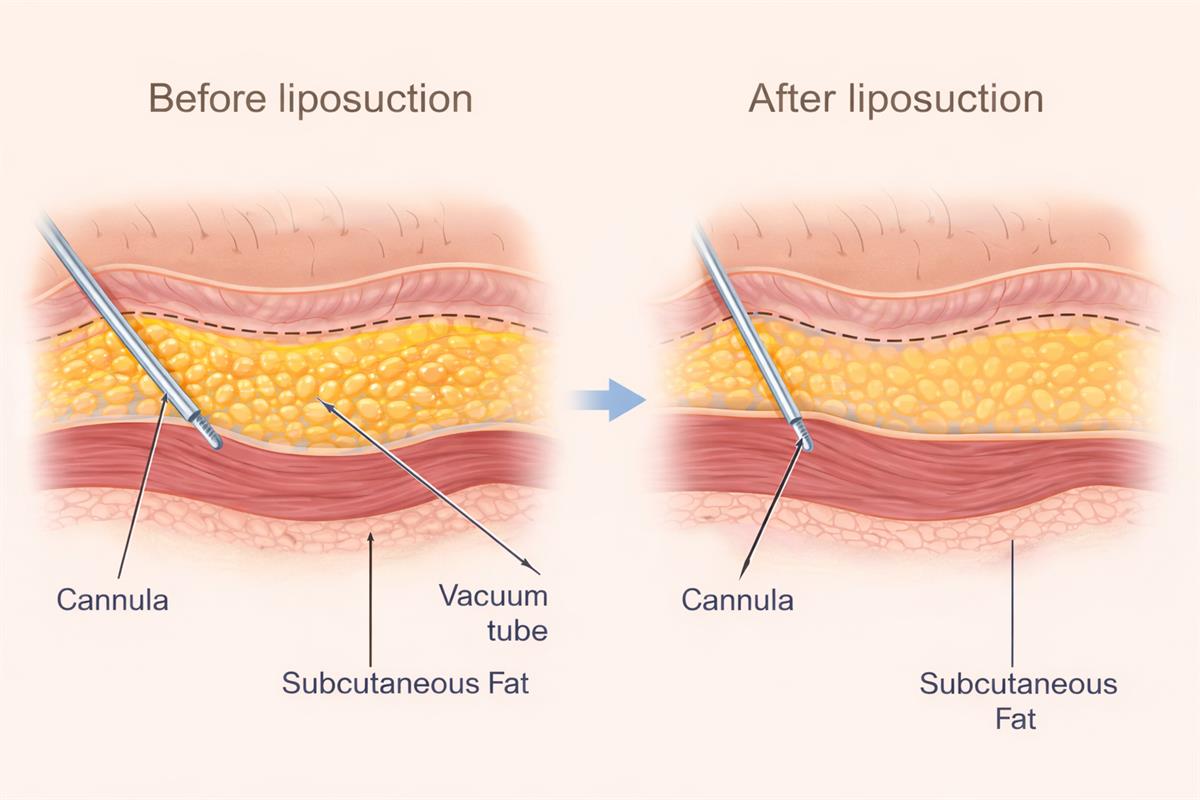
Liposuction involves suction-assisted removal of excess fat through small incisions using a thin tube (cannula).
The procedure reshapes specific areas of the body for a more contoured appearance.
Common Areas Treated
- Abdomen and waist
- Hips and flanks (love handles)
- Thighs and knees
- Arms
- Back
- Chin and neck
- Male chest (gynecomastia)
Who is an Ideal Candidate
- Individuals close to their ideal body weight
- Localized fat deposits resistant to exercise
- Good skin elasticity
- Stable body weight
- Realistic expectations about results
Types of Liposuction Techniques
- Traditional (Suction-Assisted) Liposuction
Fat is manually suctioned out using a cannula. Suitable for small to moderate fat removal.
- Tumescent Liposuction
A fluid mixture is injected to reduce bleeding and pain before fat removal. Most commonly used technique.
- Laser-Assisted Liposuction
Laser energy liquefies fat before removal, allowing smoother contouring and mild skin tightening.
- Ultrasound-Assisted Liposuction
Ultrasound waves break down fat, useful for dense or fibrous areas.
- Power-Assisted Liposuction
A vibrating cannula helps remove fat more easily with less surgeon effort.
How Is the Procedure Done
- Small incisions are made in the targeted area
- A cannula is inserted to loosen and suction out fat
- Procedure duration depends on areas treated and fat volume
- Performed under local or general anesthesia depending on extent
Benefits of Liposuction
- Improves body shape and contour
- Targets stubborn fat deposits
- Boosts self-confidence and body image
- Long-lasting results with weight maintenance
- Can be combined with other cosmetic procedures
Limitations and Risks
- Not a weight-loss procedure
- Skin laxity may persist if elasticity is poor
- Swelling and bruising are common temporarily
- Rare risks include infection, contour irregularities, or fluid imbalance
Recovery and Aftercare
- Compression garments advised for 3–6 weeks
- Swelling reduces gradually over weeks
- Light activities resumed within a few days
- Strenuous exercise avoided for about 3–4 weeks
- Final results seen after swelling subsides, usually in 2–3 months
When to Seek Medical Attention After Surgery
- Severe pain not relieved by medication
- Increasing swelling or redness
- Fever or signs of infection
- Sudden shortness of breath
Liposuction – Limitations and Medical Considerations
Liposuction is generally safe when performed on the right candidate, but it has important limitations and medical considerations that patients must understand.
- Diabetes and Blood Sugar Control
Uncontrolled diabetes increases the risk of poor wound healing, infection, and delayed recovery after liposuction. Patients with well-controlled diabetes can undergo the procedure safely, but strict peri-operative glucose control is essential. Liposuction does not improve diabetes or insulin resistance and should not be viewed as a metabolic treatment.
- Obesity and Metabolic Syndrome
Liposuction is not suitable for generalized obesity. Removing large volumes of fat does not correct underlying metabolic issues such as high cholesterol, fatty liver, or insulin resistance. Lifestyle modification remains essential even after surgery.
- Skin Laxity
If skin elasticity is poor, fat removal may lead to loose or sagging skin. Liposuction removes fat but does not tighten skin significantly, especially in older patients or those with massive weight loss.
- Weight Regain and Fat Redistribution
If weight is regained after liposuction, fat may accumulate in untreated areas, sometimes in a disproportionate manner. Long-term results depend heavily on maintaining a stable weight.
- Cardiac and Medical Conditions
Patients with heart disease, bleeding disorders, severe anemia, or uncontrolled hypertension carry higher surgical risk and require careful evaluation before surgery.