


APPENDIX
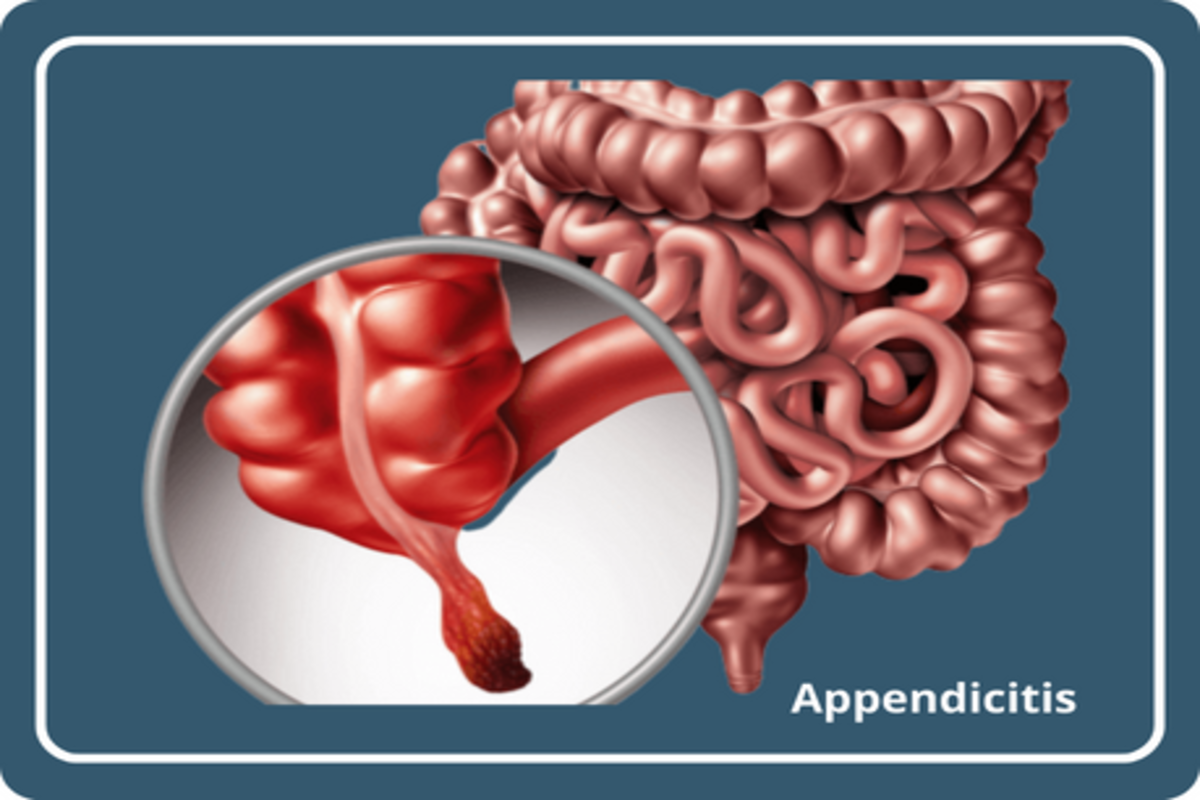
The appendix is a small pouch attached to the large intestine. When it becomes inflamed or infected, called appendicitis, it turns into a surgical emergency.
What Is Appendicitis?
Appendicitis occurs when the appendix gets blocked and swollen due to trapped stool, infection, or inflammation. Pain usually begins around the belly button and shifts to the right lower abdomen. It may be accompanied by fever, nausea, or vomiting. The pain worsens with movement, coughing, or walking and requires prompt medical attention.
Why is Surgery Needed (Appendectomy)
Appendectomy prevents dangerous complications, restores comfort, and offers a complete and permanent solution when performed without delay. Appendectomy removes the diseased appendix before it bursts. Most surgeries today are performed using laparoscopic techniques, which involve small incisions and a camera for precise removal, less pain, minimal scarring, and faster recovery.
If Left Untreated: Possible Complications
- Appendix rupture leading to widespread infection
- Peritonitis, an infection of the abdominal lining
- Appendicular abscess requiring drainage
- Sepsis, where infection spreads into the bloodstream
- Intestinal blockage due to swelling and inflammation
- Adhesion causing long-term pain or bowel obstruction
- Pelvic infections and fertility-related issues in females
Benefits of Appendectomy
- Permanent cure for appendicitis
- Faster healing and early return to routine
- Minimal scars and reduced post-operative pain
- Shorter hospital stay
- Low risk of infection or recurrence
Types of Surgery
1. Laparoscopic Appendectomy
A minimally invasive procedure performed through small keyhole incisions using a camera and fine instruments.
Advantages
- Smaller scars
- Faster return to routine life (typically within 3–7 days)
- Less postoperative pain
- Lower infection rate
- Better cosmetic outcome
- Suitable for most patients, including children and young adults
Disadvantages
- Unsuitable for complex cases.
2. Open Appendectomy
Performed through a single larger incision in the lower right abdomen.
Advantages
- Suitable in complicated cases where the appendix has burst
- Easier access for surgeons in advanced infection scenarios
Disadvantages
- Larger scar and slower recovery
- Higher postoperative pain
- Longer hospital stay and delayed return to activities
Which Is Better?
Laparoscopic = modern, faster healing, less pain, cosmetically better
Open = used for complicated cases and when laparoscopy isn’t feasible
The choice depends on the patient’s condition, surgeon’s expertise, and clinical findings—not just preference
Recovery and Aftercare
Most patients resume normal activities within a few days.
Post-surgery care includes eating light meals initially, proper wound care,
Taking medicines as advised,and attending follow-up visits for smooth recovery.